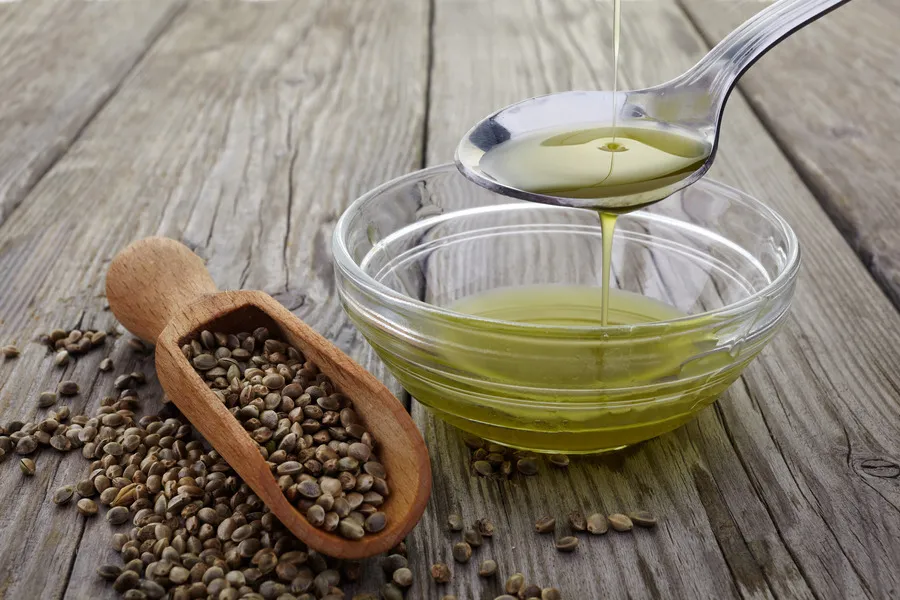
Walk down the wellness aisle of any grocery store or browse a skincare shop, and you will undoubtedly encounter products featuring cannabis-inspired branding. Two terms dominate these product labels: hemp oil and hemp seed oil. To the casual consumer, these names sound virtually identical. They are often packaged in similar amber dropper bottles, feature green leafy imagery, and promote overlapping wellness benefits.
However, assuming they are the same product is a mistake that can cost you money and lead to mismatched expectations. Hemp oil and hemp seed oil are entirely different substances. They are derived from different parts of the plant, manufactured using distinct processes, possess completely different chemical profiles, and serve entirely unique purposes in your health and beauty routines.
Understanding the nuance between these two oils is essential for making informed purchasing decisions. This comprehensive guide breaks down the science, the extraction methods, the benefits, and the regulatory landscape separating hemp oil from hemp seed oil.
The Botanical Source: One Plant, Different Parts
To understand the core differences between these two oils, it helps to look at the botanical source: Cannabis sativa. Both products originate from industrial hemp, which is legally defined as a Cannabis sativa plant containing less than 0.3% Tetrahydrocannabinol (THC) by dry weight.
While the botanical origin is identical, the specific anatomical parts used to create each oil could not be more different.
Hemp Seed Oil
Hemp seed oil is exactly what its name implies. It is extracted exclusively from the small, hard seeds of the hemp plant. These seeds do not contain cannabinoids like Cannabidiol (CBD) or THC in their natural state. While trace amounts of cannabinoids can occasionally contaminate the outside of the seeds during harvesting, the interior of the seed is purely nutritional, packed with fats, proteins, and minerals.
Hemp Oil (Full-Spectrum / CBD Oil)
In the commercial marketplace, the term “hemp oil” is almost always used as a shorthand or marketing synonym for hemp-derived CBD oil. This oil is extracted from the aerial parts of the mature hemp plant, specifically the flowers, buds, leaves, and stalks. These structures are covered in trichomes, which are microscopic resin glands that manufacture cannabinoids, terpenes, and flavonoids.
Extraction Methods and Production
Because the target compounds reside in different parts of the plant and serve different functions, the manufacturing processes for these two oils diverge significantly.
How Hemp Seed Oil is Made
Hemp seed oil is produced using a mechanical method known as cold-pressing. This process is highly similar to how extra virgin olive oil or culinary sesame oil is made.
-
The seeds are cleaned thoroughly to remove plant debris.
-
They are placed into a mechanical press that exerts high pressure to squeeze out the liquid fat.
-
The temperature is strictly monitored to ensure it stays low, preserving the delicate polyunsaturated fatty acids.
-
The resulting liquid is filtered, yielding a translucent, dark green oil with a distinct nutty aroma and flavor.
How Hemp Oil is Made
Extracting hemp oil requires sophisticated chemical or thermal extraction methods designed to isolate and concentrate the fragile cannabinoids and terpenes found in the plant tissue.
-
The aerial parts of the plant are harvested, dried, and ground.
-
A solvent is introduced to dissolve the target compounds. The most common modern method is Supercritical Carbon Dioxide ($CO_2$) extraction, which uses pressurized carbon dioxide to safely strip the cannabinoids from the plant material without leaving toxic residues. Ethanol extraction is also widely utilized.
-
The resulting extract undergoes a purification process known as winterization to remove unwanted waxes and chlorophyll.
-
The final concentrate is often mixed with a carrier oil, such as MCT oil or even hemp seed oil, to standardize the dosage and improve bioavailability.
Comparing the Chemical Profiles
The true distinction between these two products lies in their chemical composition. If you were to analyze both oils in a laboratory setting, their molecular readouts would look entirely unrelated.
| Feature | Hemp Seed Oil | Hemp Oil (CBD Oil) |
| Primary Component | Polyunsaturated Fatty Acids | Cannabinoids (CBD, CBG, CBC) |
| Cannabinoid Content | Zero (or negligible trace amounts) | High (Typically 10% to 50%+ before dilution) |
| Terpene Profile | Minimal | Rich in Myrcene, Caryophyllene, Limonene |
| Nutritional Value | Exceptionally High | Minimal (unless carried in a nutritious oil) |
The Nutritional Profile of Hemp Seed Oil
Hemp seed oil is celebrated as a dietary superfood due to its exceptional lipid profile. It contains roughly 80% polyunsaturated fatty acids, which are the healthy fats the human body cannot produce on its own.
-
Omega-6 to Omega-3 Ratio: It boasts an ideal 3:1 ratio of Linoleic Acid (Omega-6) to Alpha-Linolenic Acid (Omega-3). Medical experts widely consider this ratio optimal for cardiovascular health and mitigating chronic inflammation.
-
Gamma-Linolenic Acid (GLA): This rare omega-6 derivative supports metabolic health and hormonal balance.
-
Vitamin E: It acts as a natural antioxidant, preventing the oil from spoiling quickly while offering skin-protective benefits.
The Therapeutic Profile of Hemp Oil
Hemp oil does not focus on nutrition; it focuses on therapeutic bioactivity. Its value is determined by its cannabinoid concentration.
-
Cannabidiol (CBD): The primary active ingredient, known for its interaction with the human endocannabinoid system (ECS).
-
Minor Cannabinoids: Full-spectrum variants contain trace amounts of Cannabigerol (CBG), Cannabichromene (CBC), and legal thresholds of THC.
-
Terpenes: These aromatic compounds give the oil its bitter, earthy scent and work synergistically with cannabinoids in a phenomenon known as the entourage effect.
Health Benefits and Primary Uses
Because their chemical profiles are distinct, these oils cannot be substituted for one another when addressing specific wellness goals.
Primary Uses of Hemp Seed Oil
1. Dietary Supplementation and Culinary Arts
Hemp seed oil is an excellent addition to a healthy diet. It should never be used for high-heat cooking or frying, as its low smoke point causes the delicate fatty acids to break down and oxidize. Instead, it is best used raw as a finishing oil for salads, blended into smoothies, or drizzled over warm grains. Regular consumption supports heart health by managing cholesterol levels and supporting healthy blood pressure.
2. Advanced Skincare Hydration
In the cosmetics industry, hemp seed oil is classified as a non-comedogenic emollient. With a comedogenic rating of zero, it moisturizes the skin thoroughly without clogging pores. This makes it highly effective for individuals suffering from acne, eczema, psoriasis, or rosacea. The lipids reinforce the skin barrier, locking in moisture while soothing surface-level irritation.
Primary Uses of Hemp Oil (CBD Oil)
1. Stress and Anxiety Management
Hemp oil is primarily used for its systemic effects on the central nervous system. It interacts indirectly with CB1 and CB2 receptors within the endocannabinoid system, as well as serotonin receptors. Many users report a marked reduction in daily anxiety, generalized stress, and racing thoughts without experiencing the intoxicating impairment associated with high-THC cannabis.
2. Pain Relief and Inflammatory Modulation
While hemp seed oil soothes skin surface inflammation, hemp oil works deeper. It is frequently ingested or applied topically to address chronic pain, joint discomfort, arthritis, and muscle soreness by altering the way pain signals reach the brain.
3. Sleep Support
By addressing underlying triggers like anxiety and physical discomfort, hemp oil is a popular natural remedy for insomnia. It helps users achieve a state of physical relaxation necessary for deep, restorative sleep cycles.
Marketing Confusion: How to Avoid Getting Duped
The distinction between these oils becomes problematic when brands intentionally blur the lines. Because CBD oil is generally much more expensive to produce and commands a premium price tag, some bad actors package cheap hemp seed oil with ambiguous marketing language to trick consumers.
You might see a product labeled “Hemp Oil Extracts” with a price tag of $60, only to realize upon closer inspection that it contains no active cannabinoids. To protect your wallet, learn how to audit product labels effectively.
Checking the Ingredient Deck
-
For Genuine Hemp Seed Oil: Look for Cannabis sativa seed oil. If this is the only ingredient, you are purchasing a nutritional cold-pressed oil.
-
For Genuine Hemp Oil (CBD): Look for terms like Cannabis sativa extract, Phytocannabinoid-rich hemp extract, Hemp extract, CBD isolate, or Full-spectrum hemp extract.
Analyzing Milligram Signage
Unscrupulous brands often place massive numbers on the front of hemp seed oil bottles, such as “30,000 mg.” This refers to the total weight of the hemp seed oil in milligrams, not the cannabinoid content. Authentic CBD products clearly state the specific milligrams of Cannabidiol (e.g., “1,000 mg of CBD per bottle”) and provide a Certificate of Analysis (COA) from an independent third-party laboratory to verify those numbers.
Frequently Asked Questions
Will either hemp oil or hemp seed oil make me fail a drug test?
Hemp seed oil will not cause a failed drug test because the seeds do not naturally contain THC. Hemp oil (specifically full-spectrum CBD oil) contains up to 0.3% THC. While this small amount is non-intoxicating, heavy and regular use can cause THC metabolites to accumulate in your body, potentially triggering a positive result on sensitive workplace drug screenings. If drug testing is a concern, opt for broad-spectrum hemp oil or CBD isolates, which have all traces of THC systematically removed.
Can I use hemp seed oil as a carrier oil for hemp extract?
Yes, this is a common practice among high-quality manufacturers. Because hemp extract is a dense, crystalline paste when pure, it must be dissolved into a lipid base for accurate dosing and absorption. Mixing hemp extract with hemp seed oil creates a comprehensive product that delivers both the therapeutic benefits of cannabinoids and the nutritional benefits of essential fatty acids.
Why is hemp oil so much more expensive than hemp seed oil?
The price disparity comes down to agricultural yield, processing complexity, and regulatory compliance. Harvesting and cold-pressing seeds requires standard farming equipment and simple machinery. Extracting cannabinoid-rich hemp oil requires pristine climate-controlled cultivation of unpollinated female hemp flowers, specialized solvent extraction machinery, winterization systems, and rigorous third-party laboratory testing to verify purity and potency.
How should I store these oils to prevent them from going bad?
Both oils are sensitive to light, heat, and oxygen exposure, but hemp seed oil is particularly vulnerable to oxidation due to its high polyunsaturated fat content. To maximize shelf life, store both products in their original amber or UV-protected glass bottles. Keep them in a cool, dark place such as a pantry or cabinet. Once opened, storing hemp seed oil in the refrigerator can extend its freshness significantly.
Are these products safe to give to domestic pets like dogs and cats?
Hemp seed oil is widely safe for pets and serves as an excellent coat and skin conditioner when added to their food. Hemp oil (CBD) is also frequently used for pets to handle separation anxiety, noise phobias, and age-related joint pain. However, you must use pet-specific formulas. Human hemp oils can sometimes contain flavorings, xylitol, or levels of THC that are toxic or deeply uncomfortable for domestic animals.
Can I use culinary-grade hemp seed oil from the grocery store on my face?
Yes. Pure, unrefined, cold-pressed hemp seed oil from the grocery store grocery aisle is chemically identical to the hemp seed oil sold in high-end skincare boutiques. Just ensure that the grocery product contains no added preservatives, salt, or flavorings. Buying it from the food section is often a highly cost-effective hack for clean beauty enthusiasts.
Does hemp oil cause the same munchies effect as recreational cannabis?
No. The intense appetite stimulation commonly referred to as the munchies is triggered by high concentrations of THC binding directly to CB1 receptors in the brain’s olfactory and behavioral centers. Because hemp oil contains predominantly CBD and only negligible trace elements of THC, it does not alter appetite dynamics or produce intoxicating cravings.
