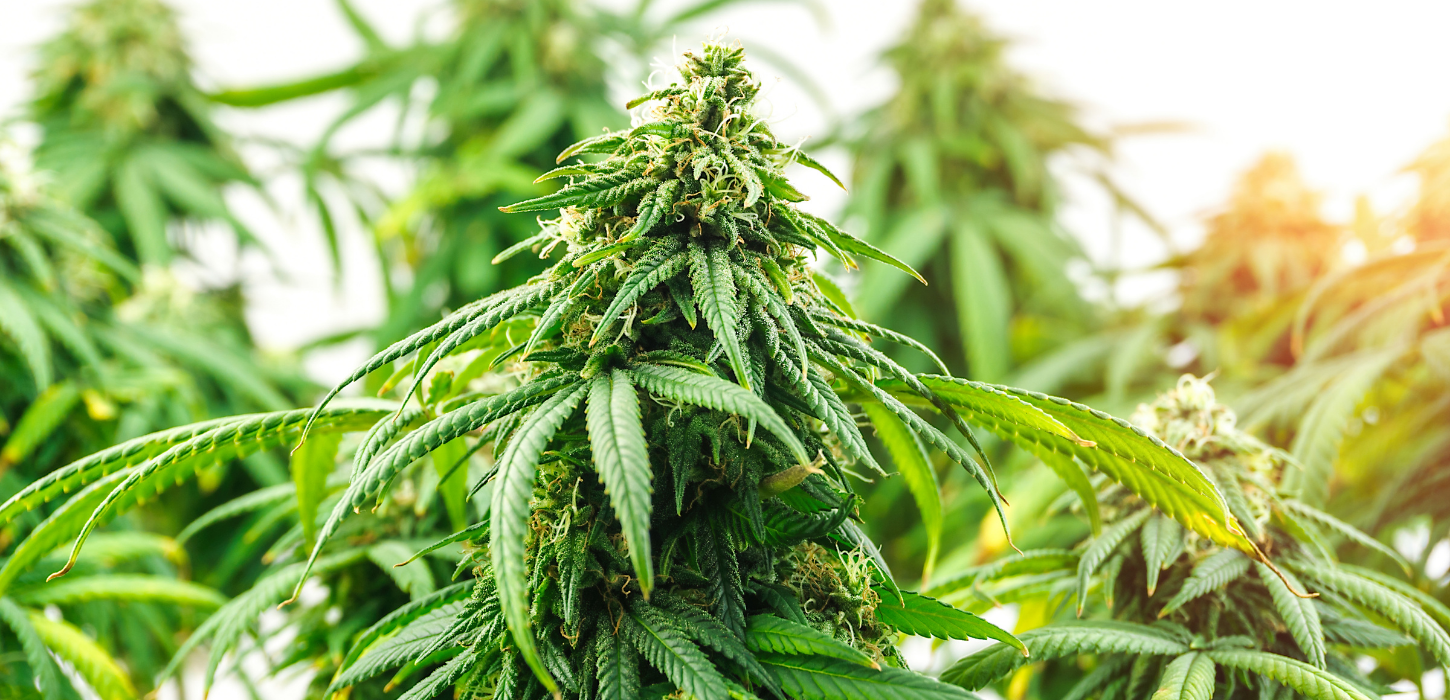
The resurgence of industrial hemp is reshaping agriculture, manufacturing, and consumer markets across the globe. For decades, this versatile crop was relegated to the sidelines of history due to strict regulatory prohibitions that failed to distinguish it from its psychoactive relative, marijuana. Today, industrial hemp is recognized as a vital commodity capable of yielding thousands of sustainable products, ranging from textiles and construction materials to nutritional supplements and bioplastics.
However, transforming a raw seed in a field into a finished consumer good sitting on a retail shelf is a highly complex journey. The hemp supply chain is a multifaceted network that requires precise agricultural practices, specialized processing infrastructure, advanced manufacturing technologies, and strict adherence to evolving legal standards. Understanding this journey from plant to product reveals the immense potential, and the structural hurdles, of the modern hemp industry.
Stage One: Agricultural Cultivation and Seed Selection
The hemp supply chain begins long before a tractor ever enters a field. It starts in laboratories and seed banks, where geneticists and farmers select the optimal varieties of the Cannabis sativa plant. Industrial hemp is legally defined in the United States as cannabis containing no more than 0.3% Tetrahydrocannabinol on a dry-weight basis. Managing this genetic threshold is the first and most critical responsibility of the cultivation stage.
Farmers must choose seed genetics based on their geographic region, soil composition, climate dynamics, and the intended end product. Hemp crops generally fall into three cultivation categories:
-
Fibers: Bred to grow exceptionally tall, sometimes up to fifteen feet, with long, unbranched stalks that yield strong, industrial fibers.
-
Grain or Seed: Bred to produce vast quantities of seed heads packed with lipids, proteins, and essential nutrients for food and oil production.
-
Cannabinoids: Bred as shorter, bushier plants with dense female flowers that maximize the resin glands that produce Cannabidiol, Cannabigerol, and other non-intoxicating compounds.
Once the genetics are secured, planting occurs in the late spring when soil temperatures reach stable levels. Hemp is famous for its hardiness and fast growth cycle, often maturing in ninety to one hundred and twenty days. During this vegetative state, the plant acts as a powerful carbon sink and a bio-accumulator, absorbing large volumes of carbon dioxide from the air and drawing up nutrients, minerals, and potential contaminants from the soil.
Stage Two: The Critical Harvest and Field Testing
As the crop nears maturity, the supply chain encounters its most sensitive regulatory bottleneck: compliance testing. State and federal agricultural agents must visit the farm to collect plant samples and verify that the THC levels remain below the legal threshold. If a field tests above the limit, it is classified as a hot crop and must be legally destroyed, resulting in catastrophic financial losses for the grower.
Once compliance is officially verified, the mechanical phase of the harvest begins. The harvesting methodology varies dramatically depending on the crop target type:
-
Fiber Harvests: Utilize specialized cutting equipment to mow down the tall stalks, leaving them lying neatly in the field for a natural process called retting. Retting uses moisture, dew, and environmental microbes to break down the chemical bonds holding the tough outer fibers to the woody inner core of the stalk.
-
Grain Harvests: Require combine harvesters equipped with specialized headers designed to gently strip the fragile seed heads from the top of the plant without crushing them or wrapping the tough, fibrous stalks around the internal machinery.
-
Cannabinoid Harvests: Often rely on highly labor-intensive methods. Laborers frequently cut individual flower buds by hand to prevent the delicate resin glands from rupturing, followed by immediate transport to specialized drying facilities where temperature and humidity are strictly controlled to prevent mold growth.
Stage Three: Primary Processing and Decortication
Raw hemp stalks and seeds cannot be used directly by consumer product manufacturers. They must first undergo primary processing to transform the raw biomass into standardized industrial raw materials.
For hemp stalk, this primary stage centers on a mechanical process called decortication. Decortication is the structural backbone of the industrial hemp market. A decorticator is a massive industrial machine that strips away the exterior layer of the stalk to isolate its two core components:
Bast Fiber
The long, incredibly strong outer strands of the hemp plant. Bast fiber possesses immense tensile strength, making it the ideal raw material for spinning into textiles, weaving into heavy-duty canvas, or processing into high-performance biocomposites for automotive panels and aerospace insulation.
Hurd
The woody, porous inner core of the hemp stalk. Hurd is highly absorbent and naturally resistant to pests and fire. It is processed into eco-friendly animal bedding, industrial oil absorbents, and a revolutionary building material known as hempcrete, which mixes hemp hurd with lime and water to create insulation blocks that are carbon-negative over their lifecycles.
For grain crops, primary processing involves thoroughly cleaning, de-hulling, and sorting the seeds. The seeds are then passed through mechanical cold-press systems to extract rich hemp seed oil, leaving behind a dense cake material that is ground into high-protein dietary powders for the food and animal feed sectors.
Stage Four: Secondary Manufacturing and Refinement
Once primary processors deliver clean fiber, hurd, oil, or cannabinoid biomass, secondary manufacturers step in to create consumer-ready products.
In the cannabinoid sector, this involves advanced chemical extraction. Specialized laboratories use supercritical carbon dioxide or ethanol extraction systems to strip cannabinoids from the dried flower tissue. The resulting crude oil undergoes winterization to remove plant waxes, followed by distillation to isolate specific compounds. This refined extract is then formulated into tinctures, topical lotions, or softgels.
In the textile sector, hemp bast fiber undergoes degumming to remove natural lignins and pectins that make the fiber stiff. Once softened, the fibers are spun into fine yarns, often blended with organic cotton or Tencel, and woven into durable, breathable fabrics for the fashion industry.
Stage Five: Distribution, Testing, and Retail Integration
The final stage of the hemp supply chain brings the finished product to the end consumer. For industrial goods like hempcrete or bioplastics, this involves integrating into existing commercial construction and manufacturing distribution chains.
For ingestible and cosmetic hemp products, the final stage requires another round of rigorous quality assurance testing. Finished consumer goods must undergo independent third-party laboratory verification. This testing confirms the exact chemical potency of the product and ensures it is completely free of heavy metals, residual chemical solvents, pesticides, and microbial pathogens that may have been introduced during farming or extraction.
Once the product passes this final hurdle, it receives a batch certificate of analysis. It is then cleared for distribution to e-commerce fulfillment centers, specialized wellness boutiques, grocery stores, and big-box retail outlets, completing its transformation from an anonymous seed in the earth to a valuable consumer commodity.
Frequently Asked Questions
What is the difference between a hot crop and a compliant hemp crop?
A compliant hemp crop contains a delta-nine Tetrahydrocannabinol concentration of 0.3% or less on a dry-weight basis. A hot crop is a hemp field that exceeds this limit during pre-harvest regulatory testing. When a crop goes hot, it loses its legal status as industrial hemp and is reclassified as marijuana, requiring mandatory field destruction under law.
How does hemp decortication work on an industrial scale?
Industrial decortication uses high-speed mechanical rollers, breakers, and scutching wheels to crush the harvested hemp stalks. This intense mechanical action breaks the outer bark away from the inner stalk, separating the strong exterior bast fibers from the short, woody inner core chunks known as hurd, allowing both to be collected into separate processing streams.
Why is moisture management so critical during the drying stage of the hemp supply chain?
Freshly harvested hemp biomass contains high levels of moisture. If it is stored or transported without immediate, uniform drying, it creates an ideal breeding ground for mold, mildew, and bacterial pathogens. This biological contamination can ruin the entire batch of fiber or degrade the active cannabinoids, rendering the material worthless for manufacturing.
What role do carrier oils play in the secondary manufacturing of hemp cannabinoid products?
Pure cannabinoid extracts are highly concentrated, thick, and difficult for the human digestive tract to absorb efficiently on their own. Secondary manufacturers dissolve these extracts into lipid bases known as carrier oils, such as medium-chain triglyceride coconut oil or hemp seed oil, to standardize the dosing metrics and increase human bioavailability.
Can industrial hemp fibers be processed using standard cotton textile machinery?
Raw hemp fibers are generally too long, coarse, and stiff to run through traditional cotton spinning equipment. To utilize existing textile infrastructure, hemp fibers must undergo a process called cottonization, which mechanically and chemically cuts and softens the long bast strands until they match the length and texture of standard cotton fibers.
How does hemp seed processing differ from hemp flower processing?
Hemp seed processing is a mechanical food production method that focuses on de-hulling, sorting, and cold-pressing seeds to extract nutritional oils and proteins. Hemp flower processing is a chemical extraction method that utilizes pressurized gases or liquid solvents to dissolve and isolate microscopic therapeutic compounds from the resin glands of the plant foliage.
What is the purpose of a certificate of analysis in the retail distribution stage?
A certificate of analysis is an official document issued by an independent, third-party laboratory that verifies the exact chemical ingredients of a retail hemp product. It serves as legal proof of consumer safety and regulatory compliance, confirming the exact cannabinoid percentages while verifying the absence of toxic contaminants.
