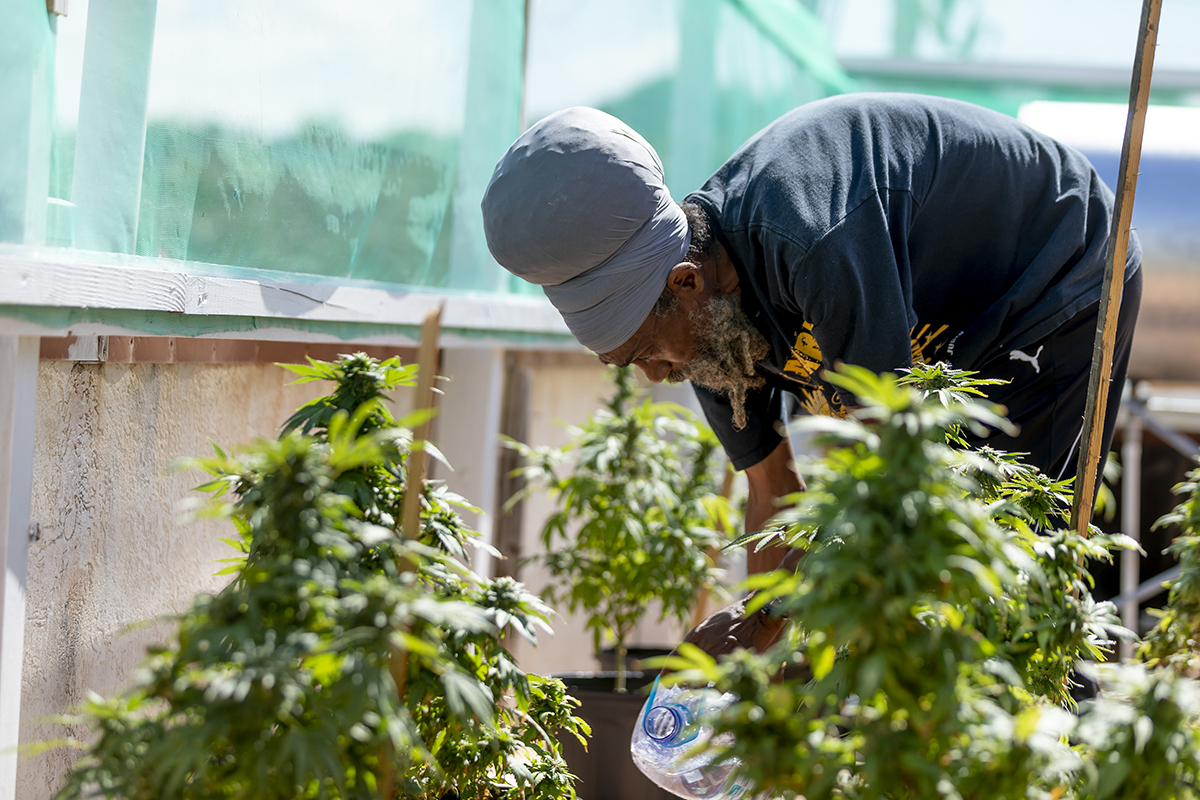
As legislative walls continue to crumble globally and scientific research accelerates, the cannabis plant is revealing an intricate chemical architecture capable of addressing diverse aspects of human vitality. Far beyond its historical association with recreational intoxication, cannabis is establishing itself as a multifaceted therapeutic agent. This article explores the deep relationship between cannabis and natural wellness, examining the science of its compounds, its integration into preventative health, and the future innovations defining this green revolution.
The Endocannabinoid System: The Master Regulator
To understand why cannabis holds such immense potential for the future of wellness, one must first look inward at the human body. In the late twentieth century, scientists discovered a complex cell-signaling system within the human anatomy known as the endocannabinoid system. This system exists throughout the brain, central nervous system, immune tissues, and peripheral organs. Its primary physiological responsibility is maintaining homeostasis, which is the delicate internal balance required for optimal biological survival.
The endocannabinoid system monitors and regulates crucial daily functions, including sleep architectures, immune responses, emotional baselines, metabolic efficiency, and pain signaling. The body naturally produces its own molecules, called endocannabinoids, to interact with specific cellular receptors. However, when chronic stress, poor nutrition, or environmental toxins deplete these natural molecules, an endocannabinoid deficiency can occur, leaving the body vulnerable to systemic imbalances.
This is where cannabis plays a transformative role. The cannabis plant produces phytocannabinoids, which are plant-based compounds that share a striking structural similarity to the molecules our own bodies create. When introduced to the human system, these plant compounds can bind to or influence internal receptors, essentially supplementing a depleted endocannabinoid system. By acting as an external key for our internal locks, cannabis helps restore biological equilibrium naturally, rather than overriding body processes like many synthetic drugs do.
Beyond Cannabidiol: The Era of Minor Cannabinoids
For the past decade, commercial discussions around wellness cannabis were largely limited to two primary molecules: Tetrahydrocannabinol and Cannabidiol. While the former was known for its psychoactive attributes, the latter became a household name for its non-intoxicating, calming, and anti-inflammatory properties. However, the future of natural wellness belongs to a much broader spectrum of compounds known as minor cannabinoids.
The cannabis plant synthesizes over one hundred distinct cannabinoids, many of which appear in small, delicate concentrations during specific stages of the plant development cycle. Advanced cultivation and extraction technologies now allow producers to isolate these minor compounds, paving the way for hyper-targeted health solutions. The most prominent among these future wellness compounds include:
-
Cannabigerol: Often referred to as the mother of all cannabinoids, this compound serves as the chemical precursor from which all other cannabinoids evolve. Early laboratory observations indicate that it possesses profound neuroprotective qualities, powerful antibacterial properties, and a unique capacity to support digestive health by soothing gut tissue.
-
Cannabinol: Formed when old cannabis aging occurs via exposure to oxygen and light, this molecule is gaining immense traction as a natural sleep aid. Unlike traditional sleep medications that leave users feeling groggy, it promotes deep physical relaxation, helping individuals transition into natural sleep cycles without daytime cognitive residue.
-
Tetrahydrocannabivarin: Frequently designated as dietary cannabis, this compound behaves completely differently than its structural cousin, traditional Tetrahydrocannabinol. It does not cause intoxication at low doses; instead, it shows significant promise in suppressing appetite, regulating blood sugar levels, and stimulating metabolic vitality.
The Synergy of the Entourage Effect
As the wellness sector matures, there is a growing consensus that isolating single plant compounds may not always provide the most profound therapeutic outcomes. The future of natural health favors full spectrum formulations that preserve the plant original complex chemical matrix. This phenomenon is known scientifically as the entourage effect.
The entourage effect dictates that cannabinoids, aromatic molecules called terpenes, and antioxidant compounds known as flavonoids work more effectively when consumed together than when isolated in a laboratory. For instance, a specific terpene like myrcene, which is found abundantly in certain cannabis varieties, can enhance the permeability of the blood-brain barrier, allowing cannabinoids to enter the central nervous system more efficiently.
Similarly, the terpene caryophyllene acts directly as an anti-inflammatory agent on its own, compounding the pain-relieving qualities of accompanying cannabinoids. By utilizing products that mirror the raw botanical composition of the plant, consumers gain access to layered health benefits, ensuring a safer and more harmonious interaction within the human body.
Cannabis in Daily Preventative Wellness
The traditional approach to healthcare has been reactionary, treating illnesses only after symptoms manifest. The modern wellness movement, however, prizes preventative lifestyle strategies. Cannabis is seamlessly weaving itself into this space as a daily wellness supplement, comparable to vitamins or functional mushrooms.
Chronic low-grade inflammation is widely recognized as a root driver of many modern health issues, including cardiovascular strain, cognitive decline, and metabolic dysfunction. Cannabinoids possess profound broad-spectrum antioxidant and anti-inflammatory properties. By introducing small, controlled amounts of cannabis compounds into a daily regimen, individuals can proactively manage systemic inflammation, protecting long-term cellular integrity.
Furthermore, cannabis is reshaping the mental wellness space by helping people handle chronic modern stress. Prolonged cortisol elevation damages memory centers and impairs metabolic wellness. Daily use of non-intoxicating cannabis micro-doses can smooth out the physiological response to psychological stress, building long-term emotional and physical resilience.
Innovation in Delivery Methods
The future of cannabis wellness is also defined by how these compounds are delivered into the human bloodstream. The historical image of smoking cannabis is rapidly giving way to sophisticated, wellness-oriented delivery mechanisms that prioritize physical health, precise dosing, and rapid bioavailability.
One major breakthrough is water-soluble cannabinoid technology. Cannabinoids are naturally hydrophobic fats, meaning they do not mix easily with water, which leads to slow and unpredictable absorption when swallowed. Through advanced nano-emulsification, scientists can shrink cannabinoid molecules into microscopic droplets that dissolve perfectly in water. This allows wellness beverages to deliver rapid, reliable results within minutes, transforming how consumers approach social drinking and functional hydration.
Additionally, transdermal patch technology is redefining localized and systemic care. These adhesive patches apply pharmaceutical-grade technology to deliver a steady, controlled stream of cannabinoids directly through the dermal layers into the capillaries over twelve to twenty-four hours. This approach bypasses the digestive tract completely, offering consistent, uninterrupted relief for individuals managing chronic physical discomfort or sustained anxiety.
The Path Forward for Global Wellness
The integration of cannabis into the future of natural health is no longer a speculative prediction; it is an active global reality. As corporate investments rise, medical training programs evolve, and public stigma continues to dissipate, cannabis will become increasingly sophisticated, mainstream, and personalized.
The ultimate destination of this green revolution is tailor-made botanical medicine. In the near future, consumer access will expand beyond basic over-the-counter oils. Individuals will be able to utilize genetic testing to identify specific deficiencies within their personal endocannabinoid systems. Based on those precise biological insights, specialists will compound customized cannabinoid and terpene profiles engineered to target their specific sleep, metabolic, or cognitive goals. By marrying ancient botanical wisdom with cutting-edge medical technology, cannabis is poised to redefine the human relationship with natural vitality for generations to come.
Frequently Asked Questions
What is raw or unheated cannabis wellness, and does it provide benefits?
Raw cannabis contains cannabinoids in their acidic forms, such as Cannabidiolic Acid and Tetrahydrocannabinolic Acid, before heat exposure converts them. These raw compounds are non-intoxicating and have unique health benefits, acting as potent selective anti-inflammatory agents and gut-health modulators without affecting cognitive function.
How does cannabis interact with the human microbiome and digestive wellness?
The gastrointestinal tract is filled with cannabinoid receptors that communicate directly with gut bacteria. Regular use of non-intoxicating cannabinoids helps regulate gut motility, reduces intestinal inflammation, and supports a balanced microbial environment, which directly impacts overall immune function and mental clarity.
Can cannabis play a role in physical fitness and exercise routines?
Yes, cannabis is increasingly used in athletic regimens. When used before exercise, certain non-intoxicating formulations help individuals achieve a deeper state of focus and mind-muscle connection. Post-exercise, its powerful anti-inflammatory properties accelerate muscle recovery and reduce the delayed onset muscle soreness caused by intense physical exertion.
What is microdosing, and why is it popular in modern natural wellness?
Microdosing involves consuming sub-perceptual amounts of cannabis compounds, typically ranging from one to three milligrams. This technique allows individuals to experience systemic wellness benefits, such as decreased anxiety and enhanced cognitive clarity, without experiencing any form of mental impairment or interfering with professional responsibilities.
Are there any potential interactions between daily cannabis supplements and prescription medications?
Cannabis compounds are processed in the liver by the cytochrome P450 enzyme system, which is the same pathway responsible for breaking down many common prescription drugs. If taken concurrently, cannabis can alter how the body metabolizes those medications, potentially amplifying or dampening their effects. Consulting a healthcare provider is highly recommended before starting a daily routine.
How do terpenes impact the color, scent, and ultimate effect of cannabis wellness products?
Terpenes are aromatic essential oils that give cannabis varieties their distinct scent profiles, ranging from citrus to pine. Beyond fragrance, they alter how cannabinoids interact with brain receptors, steering the product overall effect toward either uplifting physical energy or deep sedation. They do not alter product color significantly, which is determined by filtration and chlorophyll levels.
What is the environmental impact of shifting toward cannabis-based wellness solutions?
Industrial hemp is an environmentally sustainable crop. It requires significantly less water than traditional crops like cotton, grows rapidly, and acts as a natural bio-accumulator that cleans contaminated soil while sequestering large volumes of atmospheric carbon dioxide, making it an eco-friendly foundation for wellness manufacturing.
