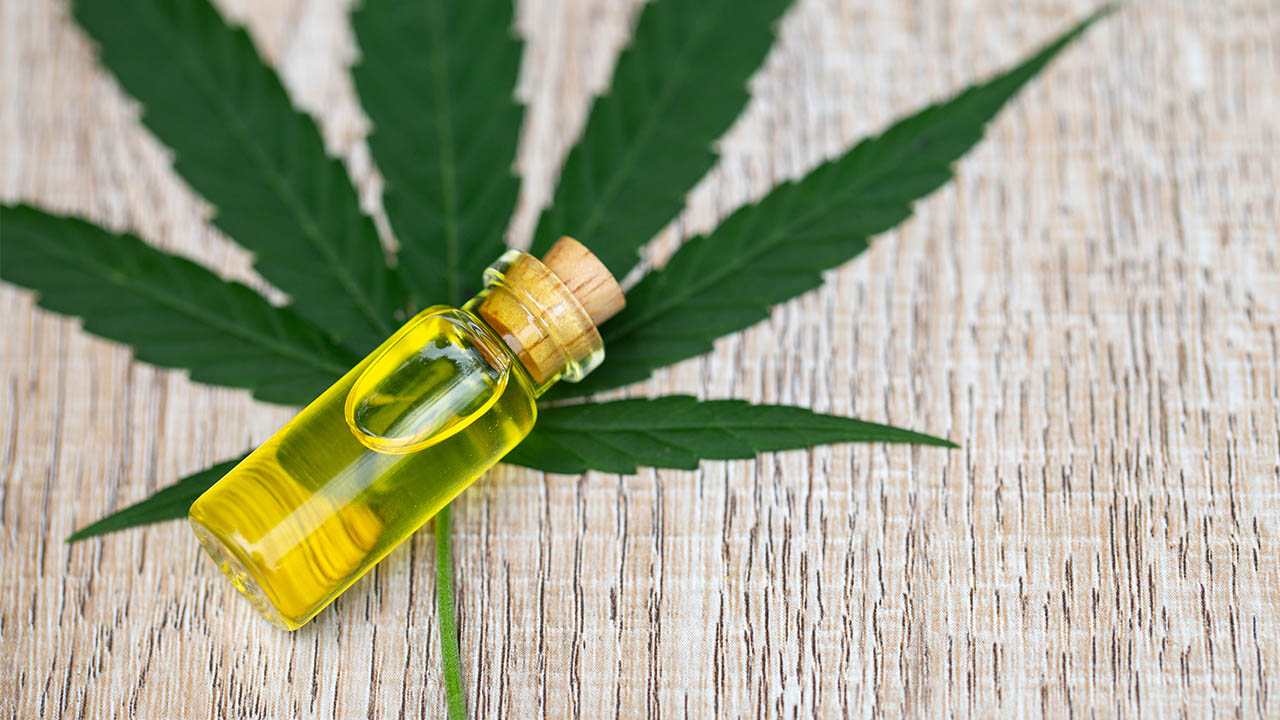
Cannabidiol, commonly known as CBD, is a prominent naturally occurring compound extracted from the resinous flowers, leaves, and stems of the industrial hemp plant. Unlike tetrahydrocannabinol, which is the primary psychoactive component found within the cannabis species, CBD is structurally distinct and completely non-intoxicating. It does not produce a euphoric high or alter cognitive processing. Instead, it interacts subtly with biological systems to support equilibrium.
Since federal legislation officially decoupled hemp-derived compounds from restrictive controlled substance schedules, CBD oil has transitioned into a highly utilized consumer wellness asset. It is widely valued for its therapeutic flexibility, demonstrating a measurable impact on central nervous system regulation, peripheral pain pathways, and systemic inflammatory responses. Understanding the biological mechanisms, functional applications, and vital safety considerations of CBD oil allows individuals to maximize its health potential while mitigating corporate marketing hype and physiological risks.
Biological Mechanisms: The Endocannabinoid System
To understand how CBD oil influences human health, one must examine the endocannabinoid system, an expansive regulatory network that continuously maintains homeostasis, or physiological balance, across vital bodily functions. This complex system is comprised of metabolic enzymes, endogenous cannabinoids produced naturally by the body, and specialized cellular receptors designated as CB1 and CB2. While CB1 receptors are concentrated within the brain and central nervous system to govern mood, memory, and pain perception, CB2 receptors are located primarily throughout peripheral organs and immune cells to modulate inflammatory signaling.
Unlike THC, which binds directly to CB1 receptors like a key in a lock to trigger psychoactive effects, CBD exhibits a low binding affinity for these main receptors. Instead, it functions primarily as an indirect allosteric modulator, meaning it alters the shape of the receptors to change how they process signals.
Crucially, CBD inhibits the activity of fatty acid amide hydrolase, which is the metabolic enzyme responsible for breaking down anandamide. Anandamide is often referred to as the body’s natural bliss molecule because it regulates feelings of joy, calm, and pain tolerance. By blocking this breakdown enzyme, CBD oil allows higher concentrations of anandamide to remain in circulation for longer periods, naturally extending the body’s baseline stress resilience.
Beyond the primary endocannabinoid pathways, CBD actively engages with several non-cannabinoid receptor networks. It serves as a direct agonist for the 5-HT1A serotonergic receptor, a major pathway involved in biological anxiety regulation and mood stabilization. Furthermore, CBD interacts with TRPV1 channels, which are transient receptor potential vanilloid channels responsible for sensing heat, localized tissue injury, and peripheral inflammatory pain. Through this multi-targeted molecular approach, CBD oil acts as a system modulator rather than a blunt biological switch, calming overactive cellular networks without disrupting overall systemic stability.
Primary Health Benefits and Documented Uses
The clinical utility of CBD oil spans multiple areas of physical and mental healthcare, backed by an expanding foundation of independent laboratory research. While commercial marketing frequently positions CBD as a universal remedy, scientific consensus validates its efficacy across a distinct set of non-negotiable health priorities.
Targeted Anxiety and Stress Modulation
The capacity of CBD oil to calm situational and generalized anxiety represents its most common consumer application. By stimulating 5-HT1A serotonin receptors in the brain, CBD helps dampen the hyperactive signaling of the amygdala, which is the region responsible for processing fear and stress responses.
This interaction helps lower the heart rate, reduce stress-induced cortisol spikes, and mitigate the physical symptoms of anxiety, such as muscle tension or a racing pulse. Unlike conventional prescription anxiolytics, which often blunt overall emotional depth and carry a risk of chemical dependency, CBD oil acts as a subtle background regulator that quiets a racing mind without causing cognitive sedation.
Advanced Management of Chronic and Neuropathic Pain
CBD oil provides systemic relief for individuals managing persistent discomfort, particularly pain driven by nerve damage, rheumatoid conditions, or deep tissue inflammation. It achieves this by suppressing the production of pro-inflammatory cytokines while simultaneously activating the TRPV1 channels that desensitize local pain pathways.
For chronic neuropathic pain, which is often resistant to standard over-the-counter painkillers, CBD stabilizes over-firing pain neurons in the spinal cord. This dampens the intensity of pain signals before they reach the cerebral cortex, providing sustainable day-to-day comfort.
Regulation of Sleep Architecture
For individuals struggling with sleep disturbances or insomnia, CBD oil targets the root causes of nighttime wakefulness rather than forcing immediate sedation. Sleep disruption is frequently caused by persistent evening cortisol production, physical pain, or a racing mind.
By addressing underlying anxiety and soothing muscular discomfort during the evening hours, CBD helps ease the body into a relaxed state conducive to natural sleep onset. Research suggests that while low doses of CBD can actually promote alertness during the daytime, higher, targeted evening doses interact with sleep-wake cycles to support longer stretches of uninterrupted deep sleep.
Neuroprotection and Seizure Suppression
The most rigorously proven medical application of CBD involves its ability to stabilize electrical activity within the brain. In cases of severe, treatment-resistant pediatric epilepsy disorders, such as Lennox-Gastaut syndrome and Dravet syndrome, specific purified formulations of CBD have achieved formal medical approval.
The compound suppresses seizures by modulating intracellular calcium levels within neurons and stabilizing hyperactive synapses. This prevents the explosive chain reactions of electrical over-firing that characterize epileptic events, offering life-altering neuroprotective benefits to vulnerable individuals.
Methods of Administration and Bioavailability
The physical format chosen to consume CBD oil directly determines its pharmacokinetic path, dictate how quickly the compound enters the bloodstream and what percentage remains active to interact with the endocannabinoid system.
-
Sublingual Tinctures: This method involves placing a precisely metered drop of CBD oil directly under the tongue and holding it there for 60 to 90 seconds. This technique bypasses the digestive tract completely, allowing the cannabinoids to absorb directly through the mucous membranes and enter the sublingual capillaries. Sublingual administration yields a respectable bioavailability rate of 20 to 35 percent, with initial physiological effects manifesting within 15 to 45 minutes.
-
Oral Ingestion: Consuming CBD through swallowed capsules, oils mixed into food, or soft chewable gummies forces the compound to pass entirely through the gastrointestinal tract and the liver via first-pass metabolism. This digestive processing destroys up to 85 percent of the active CBD before it ever reaches systemic circulation, leaving an oral bioavailability of just 6 to 19 percent. Oral ingestion also delays the onset of action to 1 to 2 hours, though it provides a more prolonged, slow-release effect over the course of the day.
-
Topical Applications: Applying creams, balms, or lotions infused with CBD oil directly onto the skin targets localized issues like joint pain or muscle soreness. Topicals do not penetrate deeply enough to enter the general bloodstream, meaning their bioavailability is effectively zero for systemic needs. Instead, they absorb through the outermost layers of the skin to interact directly with local CB2 receptors and TRPV1 channels, offering localized relief precisely where applied.
Crucial Safety, Quality Control, and Side Effects
Although CBD oil is widely recognized as a well-tolerated compound with a reassuring safety profile, using it is not entirely risk-free. It is a pharmacologically active substance that requires careful evaluation of dosage, product sourcing, and potential pharmaceutical interactions.
The most critical safety consideration involves how CBD interacts with prescription medications. CBD is a potent inhibitor of the cytochrome P450 enzyme system in the liver, specifically the CYP3A4 and CYP2C19 pathways. This specific enzyme family is responsible for breaking down more than 60 percent of all conventional prescription medications, including blood thinners, certain antidepressants, anti-seizure drugs, and statins.
When CBD occupies these liver enzymes, it prevents them from effectively metabolizing other prescription medications. This can cause those medications to accumulate to dangerously high levels in the bloodstream, increasing the risk of adverse drug toxicities. As a general rule, if a prescription medication carries a warning against consumption with fresh grapefruit, it will share a similar metabolic conflict with CBD oil.
Furthermore, because the consumer CBD market remains largely unregulated, products can exhibit major discrepancies between their descriptive labels and their actual chemical content. Lower-grade oils may contain hidden contaminants, such as heavy metals absorbed from poor agricultural soil, residual chemical solvents from extraction processes, harmful pesticides, or unexpected levels of THC.
To ensure safety and purity, look for products that provide an independent, third-party Certificate of Analysis. This document verifies the exact cannabinoid potency and confirms the product is free from harmful toxins.
| Product Characteristic | Ideal Standard | Red Flag Indicator |
| Testing | Independent, third-party lab verification | Internal or missing lab reports |
| Documentation | Current, verifiable Certificate of Analysis | No accessible batch records |
| Extraction Method | Supercritical carbon dioxide extraction | Industrial chemical solvent extraction |
| THC Content | Explicitly stated under 0.3 percent | Vague or unlisted THC percentages |
While major adverse events are rare, some individuals may experience mild, dose-dependent side effects. These can include a noticeable dry mouth due to the inhibition of salivary gland receptors, temporary bouts of diarrhea or digestive discomfort, changes in daily appetite, and mild daytime drowsiness or fatigue.
Most minor side effects can be managed by reducing the daily dose or taking the oil alongside a light meal. Individuals who are pregnant, nursing, or managing pre-existing liver conditions should avoid using CBD products until further long-term human safety data becomes available.
Frequently Asked Questions
What is the exact difference between full-spectrum, broad-spectrum, and isolate CBD oil?
Full-spectrum CBD oil contains all the naturally occurring compounds found within the original hemp plant, including a full profile of minor cannabinoids, aromatic terpenes, essential flavonoids, and legally compliant trace amounts of THC under 0.3 percent. This comprehensive blend allows the compounds to work together synergistically, enhancing the overall therapeutic impact. Broad-spectrum CBD oil retains this complete mix of cannabinoids and terpenes but undergoes an extra filtration step to completely remove all traces of THC. CBD isolate represents the purest form available, consisting of 99 percent pure cannabidiol molecules completely separated from all other plant compounds, resulting in a crystalline powder mixed into a carrier oil with no taste or aroma.
Why did my CBD oil stop working after a few weeks of consistent use?
If your CBD oil seems less effective over time, it is rarely due to your body building a classic drug tolerance. Instead, this issue is usually caused by chronic underdosing or using an isolate product that lacks supporting plant compounds. Many commercial consumer products offer low doses that fail to reach therapeutic levels, providing only a mild initial response that can fade as your body adapts. To resolve this, consider transitioning to a high-quality full-spectrum or broad-spectrum oil, which utilizes supporting plant compounds to sustain the therapeutic effect. Gradually increase your serving size by 10 to 15 milligrams every few days until you re-establish your personal baseline for symptom relief.
Can CBD oil cause a person to fail a roadside sobriety test?
CBD oil does not cause cognitive impairment, motor skill delays, or spatial disorientation, meaning it will not cause you to fail a physical roadside sobriety test conducted by law enforcement. However, if you are regularly consuming large doses of low-quality full-spectrum CBD oil, trace amounts of residual THC can gradually accumulate within your body’s fat tissues over time. This built-up accumulation could potentially trigger a positive result on highly sensitive chemical fluid tests, such as roadside saliva or urine screens. If you are subject to strict roadside testing or workplace screenings, choosing a verified broad-spectrum oil or a pure CBD isolate is the safest option.
How does the liver process CBD oil, and can it cause organ damage?
When you consume CBD oil orally, it travels to the liver where it is broken down by the cytochrome P450 enzyme network. At standard consumer doses of 20 to 100 milligrams per day, CBD is generally well tolerated and processed smoothly without placing undue stress on liver tissues. However, clinical data involving extremely high doses—typically exceeding 300 to 800 milligrams per day—indicates that excessive cannabinoid exposure can cause a temporary elevation in liver enzymes, specifically alanine aminotransferase. While these elevated enzymes typically return to normal once you stop using the product, individuals with pre-existing liver conditions or those taking multiple medications should monitor their liver function closely when using high doses of CBD.
Is it safe to give standard human CBD oil to domestic household pets?
You should never give standard human CBD oil to household pets without carefully reviewing the ingredient label first. While the pure cannabidiol molecule interacts safely with the endocannabinoid systems of dogs and cats to help manage joint pain or anxiety, human formulations frequently contain added flavorings, artificial sweeteners like xylitol, or essential oils that are highly toxic to animals. Furthermore, full-spectrum human oils can contain trace amounts of THC that are safe for humans but can cause distressing neurological disorientation in smaller animals. Always choose specialized, pet-specific CBD oils that offer appropriate low-dose concentrations and are certified completely free of THC and artificial additives.
What is a carrier oil, and why is MCT oil frequently used in CBD products?
Pure CBD extract is a thick, highly dense resin that cannot be easily measured or absorbed by the human body in its raw form. To make it usable, the extract must be dissolved into a food-grade carrier oil, which dilutes the mixture for precise dosing and improves how well the body absorbs the fat-soluble CBD molecules. Medium-chain triglyceride, or MCT, oil derived from coconuts is widely considered the premium standard for this purpose. Because MCT molecules have a shorter chemical structure than other vegetable oils, they bypass normal slow digestion involving bile salts and absorb quickly through the portal vein straight to the liver, helping speed up the absorption of CBD.
How can a consumer verify if a third-party Certificate of Analysis is authentic?
To verify a Certificate of Analysis, start by checking that the batch number printed directly on your physical CBD bottle matches the batch number listed at the top of the laboratory report. Next, confirm that the analysis was performed by an accredited, independent testing facility, rather than the brand’s internal staff, and look for an official signature from the lead laboratory chemist. Review the cannabinoid profile to ensure the measured concentration of CBD matches the dosage claimed on the product packaging, and confirm that the THC content falls safely below the legal 0.3 percent threshold. Finally, check the safety section to ensure the batch has earned an explicit pass rating for heavy metals, residual chemical solvents, mold, and pesticides.
