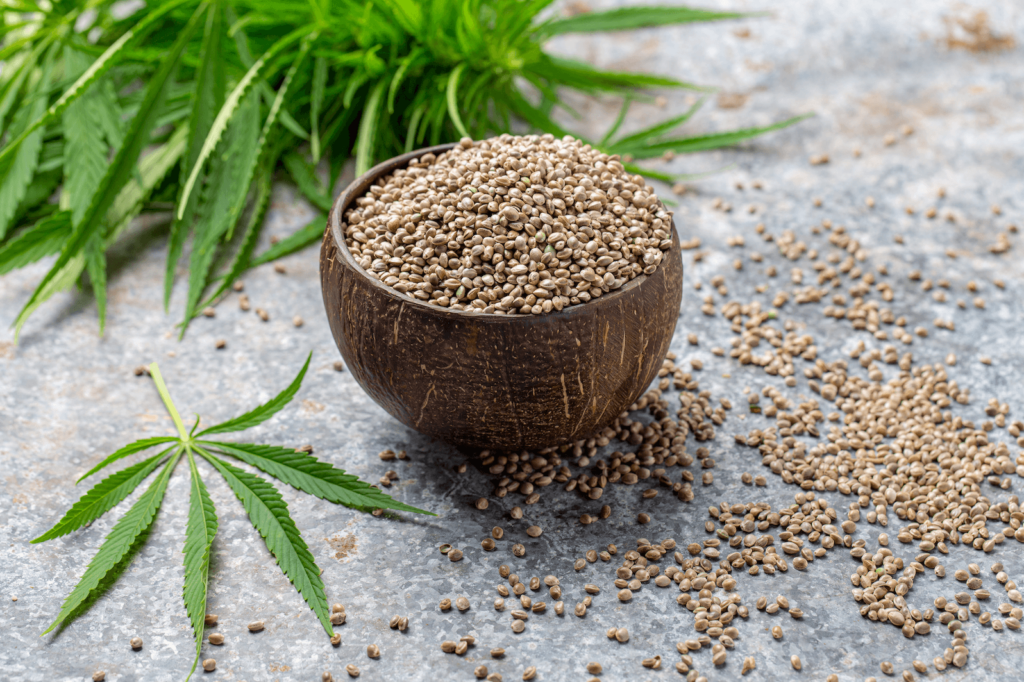
The hemp plant has transitioned from a misunderstood industrial crop into one of the most celebrated nutritional assets in modern wellness. Derived from specific cultivars of Cannabis sativa, industrial hemp is distinct from other varieties due to its minimal content of tetrahydrocannabinol, or THC, the psychoactive compound responsible for altered mental states. By federal legal definition, industrial hemp contains no more than 0.3 percent THC, rendering it entirely safe and non-intoxicating for daily consumption.
The primary health value of hemp resides within its small, nut-like seeds, frequently sold as shelled hemp hearts. These seeds, along with the cold-pressed oil extracted from them, serve as a foundational source of essential fatty acids, highly digestible plant proteins, vital minerals, and powerful lipophilic antioxidants. Integrating hemp into a balanced dietary regimen targets several physiological systems, driving functional improvements from systemic inflammation reduction to advanced cardiovascular fortification.
Complete and Highly Digestible Protein Profile
Meeting daily protein requirements through plant-based sources often demands careful ingredient pairing because many grains and legumes lack a full complement of necessary amino acids. Hemp seeds serve as a notable exception, functioning as a true complete protein source by supplying all nine essential amino acids that the human body cannot synthesize internally. This makes them an invaluable asset for individuals adhering to vegan, vegetarian, or strictly plant-forward diets.
Beyond the mere presence of these amino acids, the structural nature of hemp protein influences how efficiently the body breaks down and utilizes it. Over 65 percent of the total protein found in hemp is edestin, a globular plant protein that closely mirrors proteins found naturally in human blood plasma. The remainder is composed largely of albumin, another highly water-soluble protein.
Because edestin and albumin are remarkably easy for the human gastrointestinal tract to process, hemp protein boasts an overall structural digestibility rating of approximately 90 percent. This high bioavailability stands in sharp contrast to other popular plant isolates, such as soy or pea protein, which frequently contain higher levels of trypsin inhibitors and oligosaccharides that can impede enzyme breakdown and trigger abdominal bloating or gas.
By delivering clean, readily absorbed amino acids, hemp provides the building blocks required for rapid muscle tissue repair, sustained skeletal muscle maintenance, and the seamless production of systemic metabolic enzymes.
Advanced Cardiovascular Support
Cardiovascular diseases remain a primary driver of global mortality, which underlines the importance of incorporating cardioprotective dietary components. Hemp contributes significantly to heart health through its concentration of the amino acid arginine. Arginine serves as the direct biological precursor for the endogenous production of nitric oxide, a gaseous signaling molecule that instructs the smooth muscle cells lining blood vessels to relax and dilate.
This vasodilation expands the diameter of blood vessels, lowering vascular resistance and allowing blood to flow more freely. The direct physiological consequence is a reduction in systemic blood pressure, which relieves the chronic mechanical workload imposed on the heart muscle. Furthermore, elevated consumption of dietary arginine is associated with a reduction in C-reactive protein, a clinical biomarker directly linked to systemic vascular inflammation and the progression of atherosclerosis.
Beyond the pathways regulated by arginine, hemp contains exceptional levels of vitamin E compounds, specifically gamma-tocopherol. While alpha-tocopherol is more widely discussed in standard nutritional literature, clinical insights indicate that gamma-tocopherol provides superior anti-inflammatory properties within vascular tissues. It works by actively neutralizing reactive nitrogen species and protecting low-density lipoprotein, or LDL, cholesterol from undergoing oxidative damage.
Because oxidized LDL is a primary catalyst for plaque accumulation within the arterial walls, the presence of gamma-tocopherol helps protect endothelial lining integrity, lowering the long-term risk of arterial blockages and blood clot formation.
Optimal Essential Fatty Acid Ratios for Inflammation Control
Chronic low-grade inflammation acts as a silent driver for numerous modern health concerns, including metabolic syndrome, type 2 diabetes, and various autoimmune conditions. Managing this internal inflammatory environment relies heavily on the balance of polyunsaturated fatty acids consumed in the daily diet. Modern dietary patterns often provide an excessive amount of omega-6 fatty acids alongside a severe deficiency in omega-3 fatty acids, resulting in skewed ratios that promote a pro-inflammatory state.
Hemp seeds and cold-pressed hempseed oil offer an ideal solution by providing an inherent 3-to-1 ratio of omega-6 linoleic acid to omega-3 alpha-linolenic acid. Nutritional experts consider this specific balance to be optimal for human biochemistry, as it prevents the competitive inhibition of cellular enzymes that process these lipids. When these fatty acids are consumed in this balanced proportion, the body can effectively regulate the production of eicosanoids, minimizing the synthesis of pro-inflammatory signaling molecules while supporting the pathways that resolve inflammation.
In addition to this core ratio, hemp contains a specialized, less common polyunsaturated fatty acid known as gamma-linolenic acid, or GLA. Although classified as an omega-6 lipid, GLA behaves differently than its counterparts by bypassing typical metabolic bottlenecks to convert directly into dihomo-gamma-linolenic acid. This compound acts as a powerful anti-inflammatory agent by blocking the enzymatic pathways of cyclooxygenase and lipoxygenase, effectively mimicking the cellular mechanisms of over-the-counter anti-inflammatory medications.
Regular consumption of the GLA found in hemp provides consistent, long-term support for mitigating chronic inflammatory responses throughout muscular, vascular, and joint tissues.
Relief from Chronic Dermatological Conditions
The structural and immunomodulatory properties of hemp extend benefits directly to the skin. Dermatological disorders such as atopic dermatitis, eczema, and acne are characterized by a compromised epidermal moisture barrier alongside localized, overactive immune responses. Because hemp is rich in polyunsaturated fatty acids, it serves as a powerful systemic and topical intervention for restoring skin barrier homeostasis.
When consumed orally, the essential fats in hemp integrate directly into the phospholipid bilayers of epidermal cells, strengthening the cellular architecture of the skin. This structural reinforcement enhances the skin’s capacity for trans-epidermal moisture retention, preventing the cellular dehydration that causes dry, flaky, and itchy skin patches.
Clinical applications evaluating the dietary use of hempseed oil in individuals with atopic dermatitis demonstrate a notable increase in blood plasma levels of essential fatty acids, which correlates with measurable improvements in skin dryness, a reduction in intense itchiness, and a decreased reliance on topical corticosteroid medications.
For acne management, the anti-inflammatory properties of omega-3 fatty acids and GLA work together to suppress the local production of pro-inflammatory cytokines within the sebaceous glands. Acne flare-ups often intensify when sebum becomes thick and trapped due to an underlying deficiency in linoleic acid. By supplying the skin with a balanced profile of fluid, anti-inflammatory fatty acids, hemp helps normalize the viscosity of sebum, reducing glandular blockages, balancing local microbial environments, and calming the redness associated with active acne lesions.
Enhanced Digestive and Gastrointestinal Function
Optimal digestion depends heavily on consuming adequate amounts of dietary fiber, a component that is largely stripped away in highly processed modern foods. Whole hemp seeds are an excellent source of both soluble and insoluble plant fiber, with the tough outer hulls providing a dense concentration of these complex carbohydrates.
Insoluble fiber passes through the stomach and small intestine largely intact, acting as a natural bulking agent within the gastrointestinal tract. By increasing the physical mass of the stool, insoluble fiber stimulates the rhythmic waves of muscular contractions throughout the large intestine, known as peristalsis. This process accelerates transit time, ensuring regular bowel movements and preventing the discomfort of chronic constipation.
Concurrently, the soluble fiber present in hemp seeds absorbs water as it moves through the digestive tract, forming a viscous, gel-like substance that slows down the absorption of simple sugars. This regulation helps stabilize postprandial blood glucose levels, preventing rapid spikes and crashes in insulin.
Furthermore, the soluble fiber fraction serves as a crucial prebiotic substrate for the complex ecosystem of the gut microbiome. Beneficial bacteria residing in the colon ferment these soluble fibers to produce short-chain fatty acids, primarily acetate, propionate, and butyrate. Butyrate functions as the primary energy source for the epithelial cells that form the intestinal lining, reinforcing tight junctions and preventing unwanted intestinal permeability.
By nourishing this beneficial microflora, hemp fiber helps lower the incidence of gut-derived inflammation, reduces chronic bloating, and promotes a resilient gastrointestinal defense system.
Neurological Preservation and Brain Health
The human brain is an organ composed primarily of lipids, meaning its overall functional output and long-term structural integrity depend heavily on the quality of dietary fats consumed. The rich concentration of alpha-linolenic acid found in hemp supplies the essential building blocks required to synthesize and maintain healthy neuronal cell membranes, facilitating smooth, efficient electrochemical communication across synapses.
In addition to these structural fats, hemp seeds contain an array of polyphenolic antioxidants and specialized non-psychoactive phytocompounds that offer distinct neuroprotective benefits. These compounds can cross the blood-brain barrier, where they work to neutralize free radicals and suppress the activation of microglia, the resident immune cells of the central nervous system.
When chronic systemic inflammation or environmental toxins trigger microglial overactivation, it can lead to sustained neuroinflammation. This low-grade brain inflammation is a known driver behind accelerated cognitive decline, memory impairment, and the progression of neurodegenerative conditions.
By dampening these central neuroinflammatory cascades, the active constituents in hemp help shield delicate neurons from oxidative injury and neurotoxic stress. Furthermore, the balanced ratio of essential fatty acids supports balanced mood regulation and mental clarity by protecting the integrity of the cell receptors responsible for neurotransmitter signaling.
Incorporating hemp into a regular diet offers a proactive approach to preserving cognitive processing speeds, supporting short-term memory recall, and maintaining overall brain health over a lifespan.
Alleviation of Premenstrual Syndrome Symptoms
For many women of reproductive age, premenstrual syndrome, or PMS, introduces disruptive physical and emotional challenges every month. These symptoms, which include severe abdominal cramping, painful breast tenderness, fluid retention, depression, and heightened irritability, are frequently linked to an abnormal sensitivity to the hormone prolactin. This hormonal sensitivity is often exacerbated by a cellular deficiency in specific prostaglandin precursors.
The gamma-linolenic acid, or GLA, found abundantly in hemp provides a direct nutritional countermeasure to this imbalance. Once absorbed, GLA is metabolized into prostaglandin E1, a specialized lipid compound that plays a central role in modulating hormone receptor sensitivity.
Elevated levels of prostaglandin E1 actively suppress the negative physiological impacts of prolactin on peripheral tissues. By dampening the body’s sensitivity to prolactin fluctuations, GLA helps ease cyclical breast tenderness and reduces the systemic fluid retention that causes uncomfortable premenstrual bloating.
Additionally, the anti-inflammatory effects of prostaglandin E1 help relax the smooth muscle tissues of the uterine wall, reducing the severity of painful menstrual cramps. The presence of balanced essential fatty acids also supports consistent neurotransmitter stability during hormonal shifts, offering a natural dietary strategy to help smooth out premenstrual mood swings and temporary emotional fatigue.
Frequently Asked Questions
Do hemp seeds or hemp oil show up on a workplace drug test?
Consuming commercial hemp seeds or hempseed oil will not cause a positive result on a standard workplace drug screen. These products are harvested strictly from industrial hemp varieties that naturally produce negligible amounts of THC. Furthermore, the tiny amounts of THC present are found almost exclusively on the outer hulls of the seeds, which are thoroughly washed and mechanically removed during industrial processing. The resulting food-grade hemp products contain either non-detectable or trace levels well below federal thresholds, making them completely safe for individuals subject to regular drug testing.
What is the structural difference between hemp seed oil and CBD oil?
Hemp seed oil and cannabidiol, or CBD, oil are entirely different products derived from different parts of the plant. Hemp seed oil is manufactured by cold-pressing the actual seeds of the hemp plant. It functions primarily as a nutritional supplement rich in essential fatty acids, vitamins, and minerals, but contains virtually zero CBD or other cannabinoids. In contrast, CBD oil is extracted from the industrial hemp plant’s flowers, leaves, and stalks, where cannabinoids are naturally concentrated. CBD oil is used specifically for its therapeutic interaction with the human endocannabinoid system rather than for basic nutritional value.
Can hemp seeds be cooked, or must they be eaten raw to preserve nutrients?
While hemp seeds can be lightly toasted or incorporated into baked goods, consuming them raw is the most effective way to preserve their complete nutritional value. The delicate polyunsaturated fatty acids, such as alpha-linolenic acid and gamma-linolenic acid, possess unstable chemical bonds that are highly sensitive to thermal degradation. Exposing hemp seeds to sustained high temperatures can cause these beneficial fats to oxidize, altering their molecular structure and diminishing their anti-inflammatory properties. To get the maximum health benefits, sprinkle raw hemp hearts over prepared meals, stir them into smoothies, or use hemp oil as a cold dressing.
Are there any specific medication interactions to consider before eating hemp?
Hemp seeds can interact with certain medications, particularly blood thinners and antiplatelet drugs. Clinical evidence suggests that components within hemp seeds can slow down blood platelet aggregation, meaning they exert a mild, natural blood-thinning effect. If you are taking prescription anticoagulants, consuming large quantities of hemp could potentially enhance the effects of the medication and increase the risk of bruising or bleeding. Additionally, because hemp is rich in magnesium, consuming excessive amounts alongside prescription loop diuretics might cause changes in mineral excretion profiles, making it wise to consult a physician if you are on a restricted therapeutic regimen.
How does the protein quality of hemp compare to whey or soy protein?
Hemp protein stands out among plant-based alternatives because it contains all nine essential amino acids, making it a complete protein, unlike many grains or legumes. When compared to whey protein, which is derived from dairy, hemp has slightly lower levels of certain branched-chain amino acids like leucine, but it provides significantly higher levels of essential minerals and healthy dietary fibers. Compared to soy protein, hemp is entirely free from trypsin inhibitors, which are compounds in soy that can interfere with protein digestion and trigger gastrointestinal distress. This makes hemp an exceptionally clean, hypoallergenic option for individuals with sensitive digestive systems.
Does consuming hemp cause any digestive issues for beginners?
Introducing hemp seeds into your diet can occasionally cause mild digestive changes if your body is not accustomed to a high-fiber intake. Whole hemp seeds are rich in complex plant fibers that require the gastrointestinal tract and the resident gut bacteria to adjust. Beginners who start with large servings may experience temporary bloating, mild abdominal gas, or loose stools. To prevent these minor side effects, introduce hemp into your meals gradually, starting with a single teaspoon per day and slowly increasing to a full two-tablespoon serving over a few weeks, while ensuring you drink plenty of water.
What is the correct way to store hemp products to prevent spoilage?
Because hemp products contain a high concentration of sensitive polyunsaturated fatty acids, they are prone to rancidity if stored incorrectly. When exposed to heat, oxygen, or direct sunlight, these delicate oils begin to break down, creating an unpleasant, bitter taste and losing their nutritional value. Unopened hemp seeds and oils should be kept in a cool, dark pantry away from appliances that generate heat. Once a package is opened, it should be sealed tightly and stored inside a refrigerator or freezer. Refrigeration slows down lipid oxidation, extending the product’s shelf life and preserving its fresh, nutty flavor for up to a year.
